
Japan in 14 Days: Our ₹3,68,000 Family Budget Plan
For 25 March–7 April 2027, our family of five is flying from Hyderabad to Tokyo and returning from Osaka, using local trains and an overnight highway bus instead of the Shinkansen.
Download this trip as a printable PDF
Save the budget, route, daily itinerary and practical notes for offline planning.
Historical prices and schedules can change. Verify current details before booking.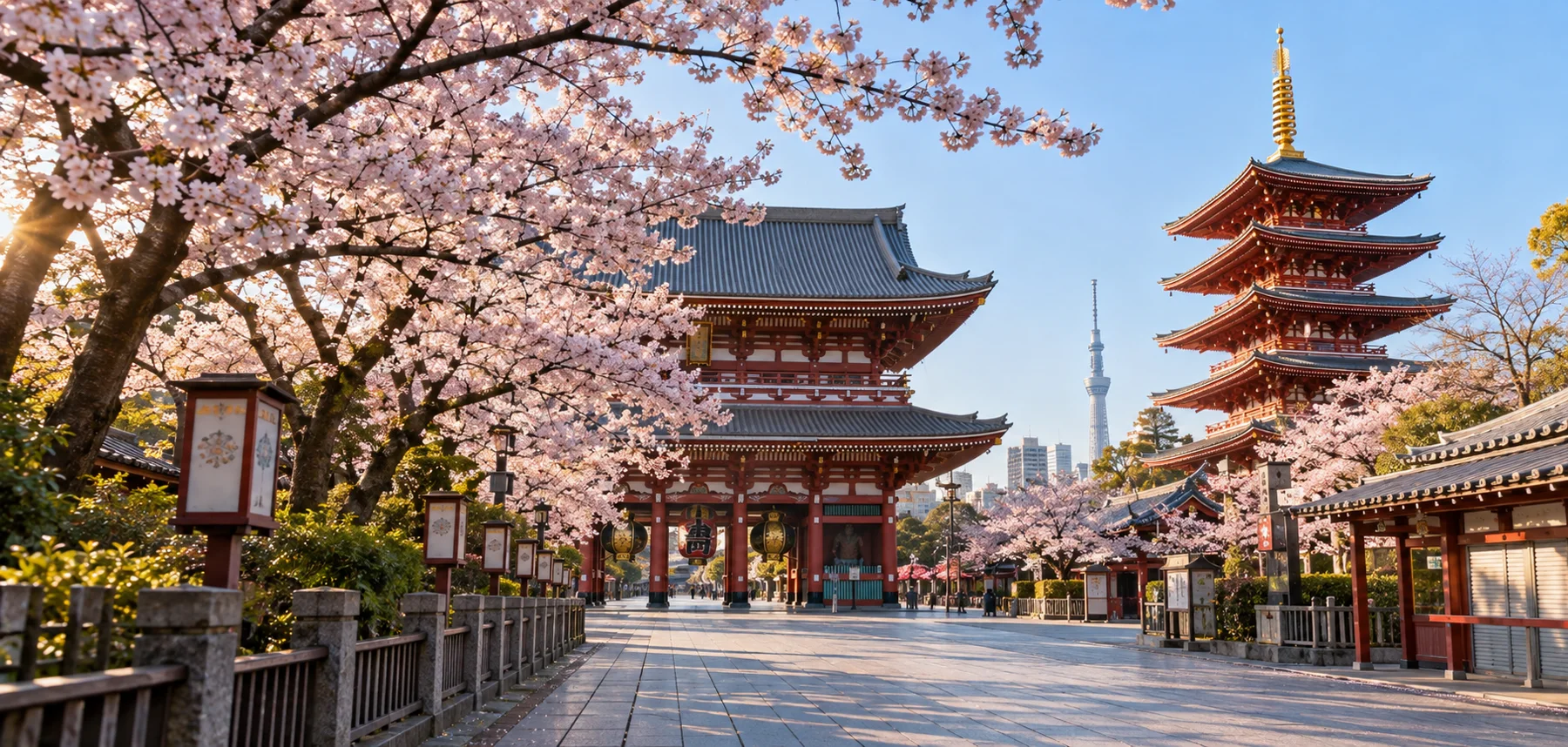
Confirmed bookings and planned family budget
Planning conversion: ₹1 ≈ ¥1.75. Yen amounts are approximate and will change with exchange rates.
| Expense | Status and basis | INR | JPY |
|---|---|---|---|
| Return open-jaw flights | Booked · ₹44,000 each | ₹2,20,000 | ≈ ¥3,85,000 |
| Accommodation | Booked · nine paid nights | ₹90,000 | ≈ ¥1,57,500 |
| Highway buses and local transit | Advance-bookable transit reserved; local allowance included | ₹37,500 | ≈ ¥65,625 |
| Sightseeing admissions | Planned · ₹1,200 each | ₹6,000 | ≈ ¥10,500 |
| eSIM and connectivity | Planned group allowance | ₹3,000 | ≈ ¥5,250 |
| Japan visa processing | Planned · ₹1,300 each | ₹6,500 | ≈ ¥11,375 |
| Fresh groceries | Planned group allowance | ₹5,000 | ≈ ¥8,750 |
| Planned total for five | ₹3,68,000 | ≈ ¥6,44,000 | |
Our expanded 14-day route
Begin the booked Air India journey from Hyderabad, connect through Delhi and continue toward Tokyo.
Use the lower-cost local airport rail option, settle into the Tokyo stay and take a light evening walk through Akihabara.
Visit Sensō-ji early, explore Asakusa on foot and continue through Ueno’s public spaces without adding paid observation decks.
Walk the forest approach to Meiji Jingu, then use local rail to see Shibuya Crossing from the free station walkways.
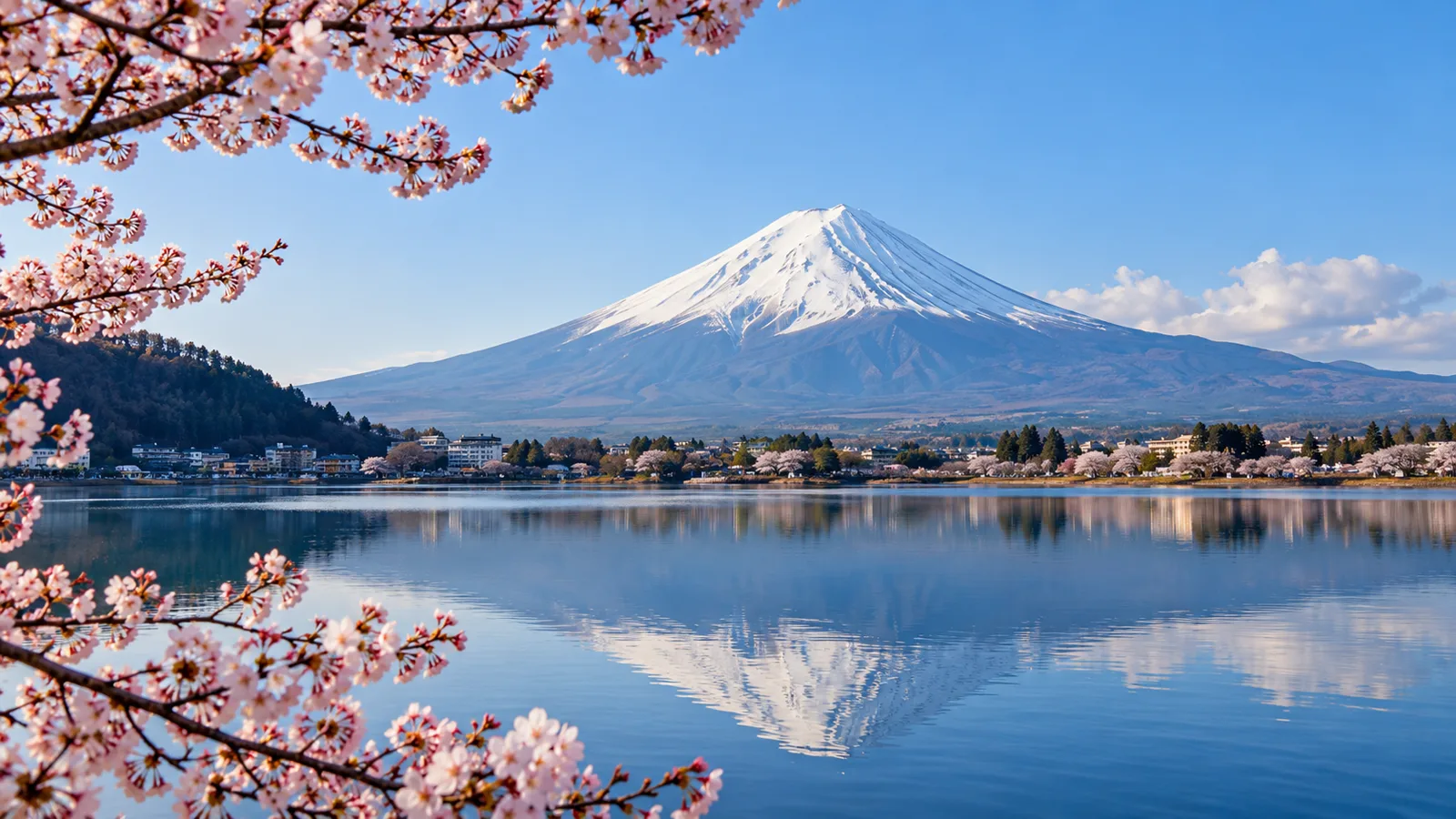
Use a regional bus for a weather-dependent day around Lake Kawaguchiko and Oishi Park, avoiding expensive Hakone packages.
Keep the daytime flexible for rest, a missed weather window or revisiting a favourite neighbourhood. Collect the luggage in the evening and board the overnight highway bus to Osaka.
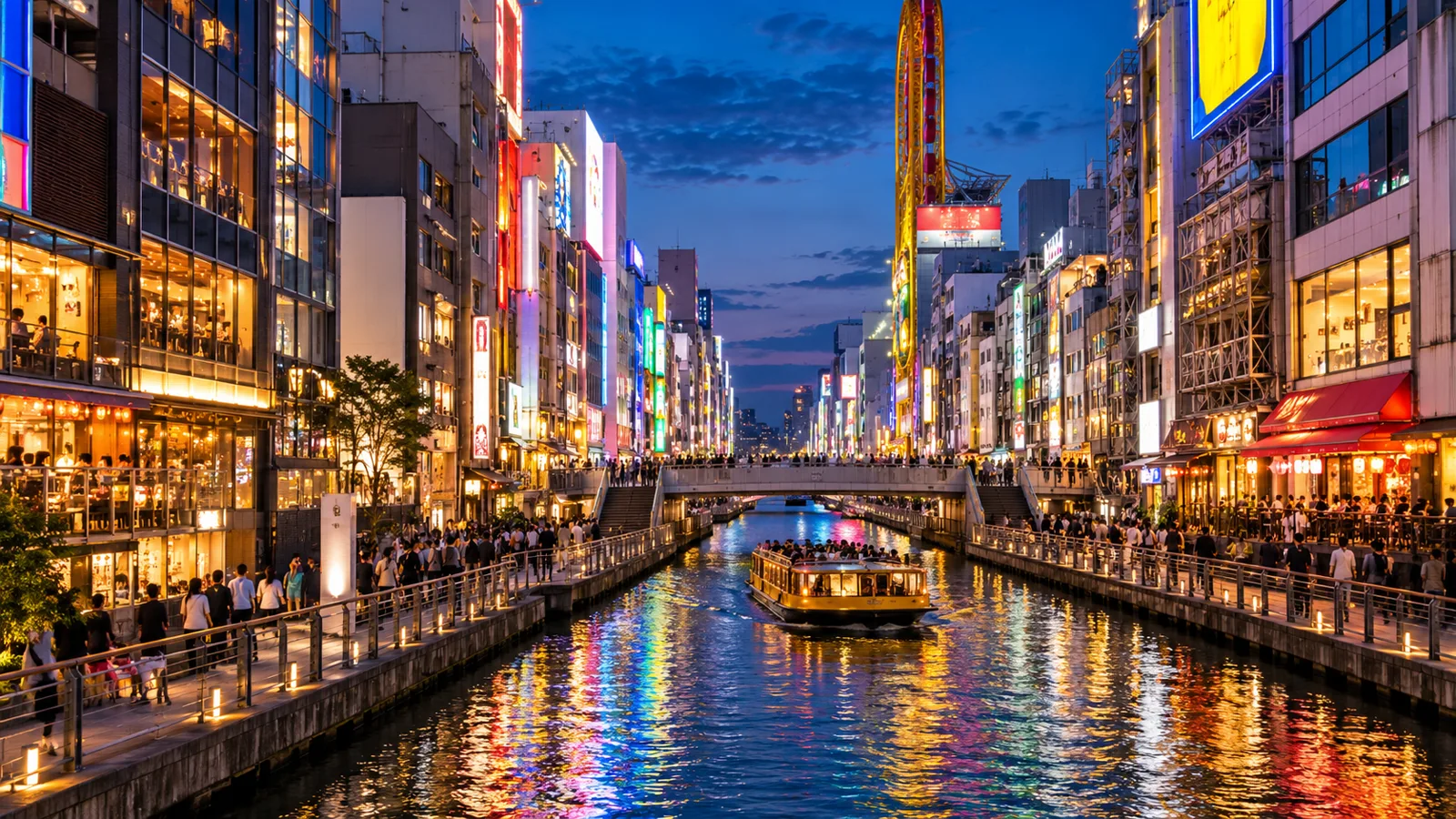
Drop bags at the Osaka base, take a slower arrival day and walk along the Dotonbori canal after dark.
Walk the castle grounds and moats for free, skip the indoor tower and continue to the retro streets of Shinsekai.
Use the local Hankyu route from Osaka and spend the day around the free bamboo grove and surrounding walking paths.
Return to Kyoto by commuter train and walk through the shrine’s red torii gates before travelling back to Osaka.
Take the local Kintetsu line, walk among Nara’s deer and decide on the day whether to pay for Tōdai-ji’s inner hall.
Reserve a low-pressure day for rest, laundry, local neighbourhood walks or any attraction displaced by weather.
Use Don Quijote or Daiso for a controlled souvenir shop, prepare the remaining packed food and organise the airport journey.
Travel to Kansai International Airport and take the booked VietJet route through Hanoi to Hyderabad.
Alternative Tokyo plan: 3 days using buses and walking
This optional plan fits into the Tokyo portion of our 14-day itinerary. It reduces rail use, keeps most attractions free and lets the family see neighbourhoods at street level. Bus routes and timetables can change, so confirm each journey in the official Toei route search on the day.
| Day | Walking and bus plan | Board and exit | Approximate adult fare |
|---|---|---|---|
| 1 · Asakusa and Skytree | Walk through Kaminarimon, Nakamise-dori and Sensō-ji. Continue to the Sumida riverfront, then use a bus for the short journey to Tokyo Skytree and explore the Solamachi base for free. | Toei T08 (都08): board at Tōbu-Asakusa Station or Nitemmon, then get off at Tokyo Skytree Station Entrance. | About ¥210 each |
| 2 · Shiba Park, Tokyo Tower and Roppongi | Walk around Shiba Park and the free areas beneath Tokyo Tower. Continue toward Roppongi using Minato City’s small community bus. | Chii Bus, Azabu East Route: use the Higashi-Azabu 1-chome (below Tokyo Tower) stop and get off around Roppongi Keyakizaka or Roppongi Hills. Check the loop direction before boarding. | ¥100 each |
| 3 · Tokyo Dome, Bunkyo and Shinjuku | Walk around Tokyo Dome City and choose whether to pay for Koishikawa Kōrakuen garden. Finish with Shinjuku Central Park and the Tokyo Metropolitan Government Building; check whether Tokyo Night & Light is scheduled that evening. | A bus-only journey from Tokyo Dome to Shinjuku normally needs a transfer. The simpler low-cost option is the Toei Ōedo Line from Kasuga to Tochomae. For a strictly bus-only day, use Toei’s live route search and allow extra time. | Rail alternative roughly ¥180–¥220 each; allow about ¥420 each for two ordinary Toei bus rides |
Practical bus and walking notes
- Use a Suica or PASMO card where accepted, and keep small cash available for community buses.
- Tokyo’s central Toei buses generally use a flat fare, but boarding rules differ outside the central network. Follow the signs and driver instructions rather than assuming every bus works the same way.
- Allow extra time during weekday traffic. The bus-based version is more scenic, but trains are usually faster for cross-city journeys.
- Expect roughly 10,000–15,000 steps on these days and wear supportive walking shoes.
Current planning references: Toei live bus routes, official Toei ticket prices and Minato City Chii Bus information.
Why we are skipping the Shinkansen
For five people, the high-speed train would consume a large part of the transport budget. The overnight highway bus combines the Tokyo–Osaka journey with one night in transit, while local commuter lines cover Kyoto and Nara from the Osaka base.
Food from home and local groceries
The plan is to carry commercially packed vegetarian meals, rice, dals, khakhra, roasted snacks and clearly labelled spice mixes, then buy fresh produce and basic groceries in Japan. Every item must comply with the rules in force at travel time and must be declared when required. No meat, poultry or egg-containing products will be packed.
Maps, translation and connectivity
Google Maps will be used for local rail costs, platforms and walking routes. Japanese will be downloaded in Google Translate before departure so camera translation remains available offline. The budget assumes one higher-data eSIM shared by hotspot where practical.
Save the locations offline before departure and check live transport times during the trip.
March and April packing plan
We are planning for cool mornings and evenings with a thermal base layer, fleece or sweater and a light down jacket or wind-resistant outer layer. Supportive, already-worn walking shoes are essential because the itinerary is designed around long free walks.
Important checks before departure
Visa fees, entry rules, baggage transfer arrangements, VietJet transit conditions, food import rules, attraction fees and transport schedules can change. We will verify them with the responsible official providers before paying any remaining non-refundable costs. The Hanoi connection must be checked against the exact ticket and baggage conditions.
Booked trip summary
Trip: Hyderabad → Delhi → Tokyo → Osaka → Hanoi → Hyderabad
Dates: 25 March–7 April 2027
Travellers: Family of five
Confirmed: Return flights at ₹44,000 per person, accommodation and every transit leg currently available for advance online booking
Planned total: ₹3,68,000, approximately ¥6,44,000
Highlights: Sensō-ji, Akihabara, Meiji Jingu, Shibuya, Lake Kawaguchiko, Mt Fuji, Dotonbori, Osaka Castle Park, Shinsekai, Arashiyama, Fushimi Inari and Nara Park.
Tokyo or Osaka: what should families prioritise?
Compare location, room layouts, local transport and the full price for a family of five.
Compare Tokyo and Osaka experiences
Check current activities separately for each base before adding anything to the family budget.
Plan smarter, then travel for less
Use our free Travel Budget Planner now, and optionally join the list for new real-trip budgets and practical planning tips.
Open the free planner →Transparency: This is a booked upcoming trip, not a completed-trip cost report. Flights, accommodation and advance-bookable transport are confirmed. Local pay-as-you-go travel and the remaining categories are planning allowances and will be replaced with actual spending after April 2027.
Comments
Have you planned a family trip across Tokyo and Osaka without the Shinkansen? Share a practical tip below.
Loading comments…